
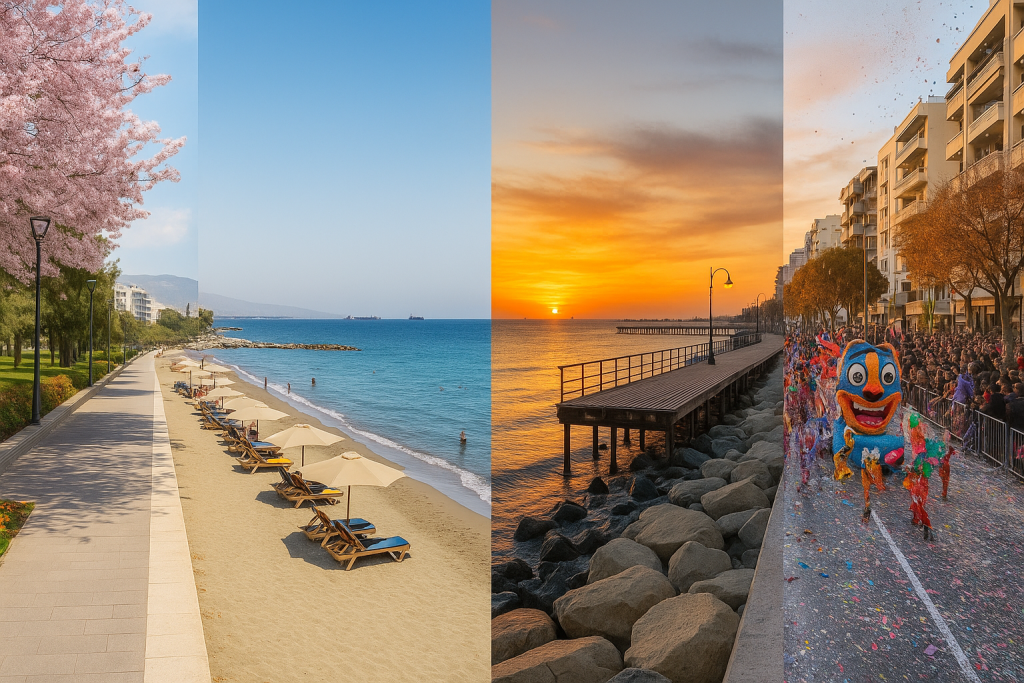
Cyprus advertises itself as a 365-day destination, and Limassol genuinely comes closer to that than most Mediterranean cities. The sea is warm enough to swim from May through November, the old town stays lively through the winter, and there is something going on every month of the year — from February’s Carnival to the Wine Festival in August. But each month has its own character and its own trade-offs. This guide walks you through every one honestly so you can pick the right time for what you actually want to do. (See also: Limassol neighbourhoods.)
The best all-round months in Limassol are May, June, September, and October: warm sea, reliable sun, reasonable prices, and lively streets. July and August are hot (34-38 C) but great for pool-based holidays. November to February is the cheapest and still lovely for sightseeing and wine tourism; sea swimming stops from late November. (See also: day trips from Limassol.)
If you have flexibility, aim for the second half of September. The sea is at its warmest of the year (25-26 C, warmer than July), the crowds have gone back to work, hotel prices drop 20-30 percent from August, and the light is the prettiest of the year for photography. I have watched experienced repeat visitors quietly optimise for this week after week for decades. (See also: Limassol on a budget.)
January and February: Cheapest, Quiet, Sunny

Winter in Limassol is mild — typically 16-19 C during the day, 9-12 C at night, and around 120mm of rain spread across a dozen days per month. The sun shines most afternoons. You cannot swim (sea is 17-18 C, fine only for the very hardy), but you can easily eat lunch outdoors in sheltered courtyards, walk the promenade, visit archaeological sites in comfort, and do wine tasting in the villages.
Prices are at their lowest of the year: hotels discount 40-60 percent from peak summer, flights are cheap, and restaurants are less busy. Some seasonal beach restaurants close, but the old town and marina remain lively. Carnival runs for two weeks in late February or early March (depending on Orthodox Easter) and is one of the biggest street parties in the Mediterranean — dozens of parades, costumes, and dance groups all over the city. Worth planning around.
March and April: The Shoulder Warms Up
March brings the first real warmth. Average daytime temps move from 18 C in early March to 22-24 C by late April. Almond and cherry blossoms carpet villages in the Troodos foothills from mid-March. Easter (Greek Orthodox) falls in April most years and is the biggest religious holiday on the island — expect processions, special services, and traditional food (lamb, flaounes). Local businesses often close for 2-3 days around Easter Sunday; plan accordingly.
The sea remains cool (18-20 C) for most of March and April, but by the end of April many locals start swimming. Prices are still in shoulder territory, around 20-30 percent off peak. This is a great time for hiking in the Akamas or Troodos, when wildflowers are at their best. For specific day trip ideas, see our things to do in Limassol.
May: The Sweet Spot Begins
May is, for many repeat visitors, the perfect Limassol month. Daytime temperatures sit at a comfortable 24-28 C, evenings are warm enough for a light layer, the sea has warmed to 21-22 C (swimmable), rain is rare, and prices are still about 25 percent below peak summer. The city is not yet crowded, but everything is open and the energy is lively. The Anthestiria Flower Festival in mid-May fills the Molos promenade with floats, flowers, and street food.
June: Starting to Feel Like Summer
June is firmly summer. Daytime highs climb from 28 C to 32 C, evenings stay around 22-24 C, and the sea hits 23-24 C. Rain effectively stops until October. Hotel prices start to rise sharply — expect a 30-40 percent jump from May prices. Early June is still manageable crowd-wise; by the school holidays (third week of June onwards) the beaches get busy. Long daylight (sunset around 20:00) gives you lots of evening beach time.
“The hotel is beautifully designed with close proximity to the road and the beach. The room service is excellent as I arrived late and was welcomed well. Really enjoyed my stay.”
— LAURENT, 5/5 ★★★★★ · VERIFIED GUEST
See More Reviews →July and August: Peak Heat, Peak Prices
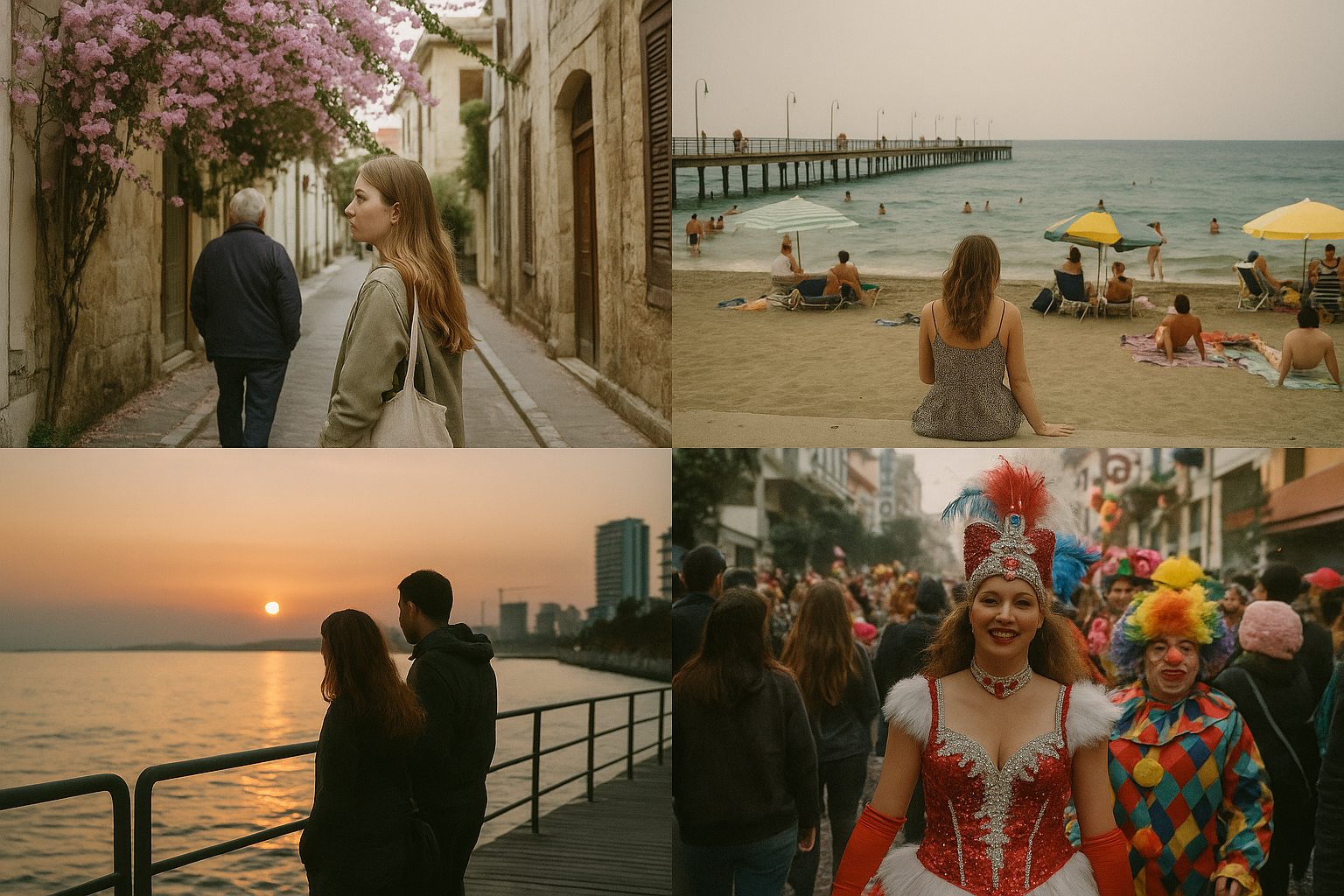
The peak. July averages 32-35 C during the day; August often pushes 36-38 C. Humidity is moderate (higher than inland Greek islands, lower than Cairo). The sea is luxurious at 26-27 C. This is the busiest, loudest, most expensive time to visit, and the sunshine is non-stop. If you want a classic Mediterranean pool-and-beach holiday with the city buzzing, July and August deliver.
Trade-offs: hotel prices peak (often 2x shoulder season), restaurants need booking, parking is a nightmare, and midday (12-4pm) is uncomfortably hot unless you are in the water or air conditioning. The Limassol Wine Festival in late August is a highlight — 10 days of tastings, music, and food on the seafront for about 6 EUR entry. Book accommodation 2-3 months ahead for these months.
September: The Quiet Optimum
Many experienced travellers consider September the single best month. Temperatures drop slightly (29-32 C daytime) but the sea is at its warmest of the whole year (25-26 C, warmer than in July because it has been absorbing heat all summer). Crowds thin noticeably after the first week (European school holidays end), prices drop 20-25 percent from August, and restaurants breathe again. Zero rain, long evenings, warm nights. If I am recommending one month to first-time visitors on flexibility, it is this one.
October: Still Swimmable, Even Quieter
October is a continuation of the good. Daytime 24-28 C, sea at 24-25 C (still very swimmable), first hint of autumn colours in the Troodos. Prices now back to shoulder rates. Occasional short rain showers arrive late in the month. This is an excellent time for combining beach with hiking, wine tourism, and archaeology. The Kypria International Festival (music and theatre) runs through October in several cities including Limassol.
November and December: The Wind-Down
November brings real autumn. Sea cools from 22 C to 19 C through the month, daytime highs drop from 22 C to 18 C, and the first proper rains arrive. The city is noticeably quieter. December is cooler still (16-18 C) and sees the Christmas markets on the promenade and around Molos Park. Hotels are cheap except around Christmas and New Year when prices spike for a few days. Troodos sees occasional snow from mid-December.
Events Calendar Quick Reference
Key dates to know: Limassol Carnival (Feb/Mar, 2 weeks before Greek Orthodox Lent); Greek Easter (April or early May, moveable feast); Anthestiria Flower Festival (mid-May); Kataklysmos Festival (early June, Pentecost weekend); Limassol Wine Festival (late August to early September); Kypria International Festival (October); Christmas Markets (December).
Putting It Together: Which Month is Best for You?
If you want the cheapest trip with mild weather and cultural events: February (Carnival). If you want the best all-round balance: May or September. If you want classic Mediterranean beach holiday: June to early August. If you want the quietest heat-free swimming: late September to early October. If you want wine and hiking weather: March or November. See our where-to-stay guide for neighbourhood advice that shifts slightly by season, and the Visit Cyprus site for the current events calendar. For restaurant reservations that matter during peak months, plan ahead using our best restaurants guide.

Stay at Mangro Hotel
The right month matters. Mangro Hotel stays a comfortable stay year-round, with AC for the peak heat and central heating for the winter months. Book early for the shoulder season months when the smartest guests come back year after year.
Check Availability →Affiliate disclosure: we may earn a small commission if you book through this link at no extra cost to you.
Frequently Asked Questions
What is the warmest month in Limassol?
August, with average daytime highs around 36-38 C. July is similar, averaging 34-37 C. The sea is at its warmest in September, typically 25-26 C, slightly warmer than August because of heat absorbed through summer.
When can I swim in the sea in Limassol?
Comfortably from mid-May through late October (sea temp 21-26 C). Early May and early November are swimmable for the hardy. Mid-November to April the sea is too cold (17-19 C) for most visitors.
What is the cheapest month to visit Limassol?
January or February, excluding Christmas/New Year and Carnival weekends. Hotel rates drop 40-60 percent from peak summer, and flights are significantly cheaper. Some beach-focused restaurants close but city life continues.
Is it worth visiting Limassol in winter?
Yes, if your priorities are sightseeing, wine tourism, hiking, Carnival, or getting value. Not if you need beach weather. Temperatures stay mild (16-19 C daytime, sunny most afternoons) and you will have archaeological sites and museums mostly to yourself.
When is Limassol Carnival?
It runs for roughly two weeks leading up to the Monday before Greek Orthodox Lent, which falls 48 days before Greek Easter. Usually late February to early March. The main parade weekend is the biggest street party and draws crowds from across the island.
Does it rain much in Limassol?
Very little from May to September (essentially zero rain days in July and August). Most rain falls from November to March, averaging 8-12 rainy days per month, but even then showers are usually short and sunshine returns the same day.